
Why Are Smart Mobile Attendance Apps Replacing Traditional Biometric Systems?
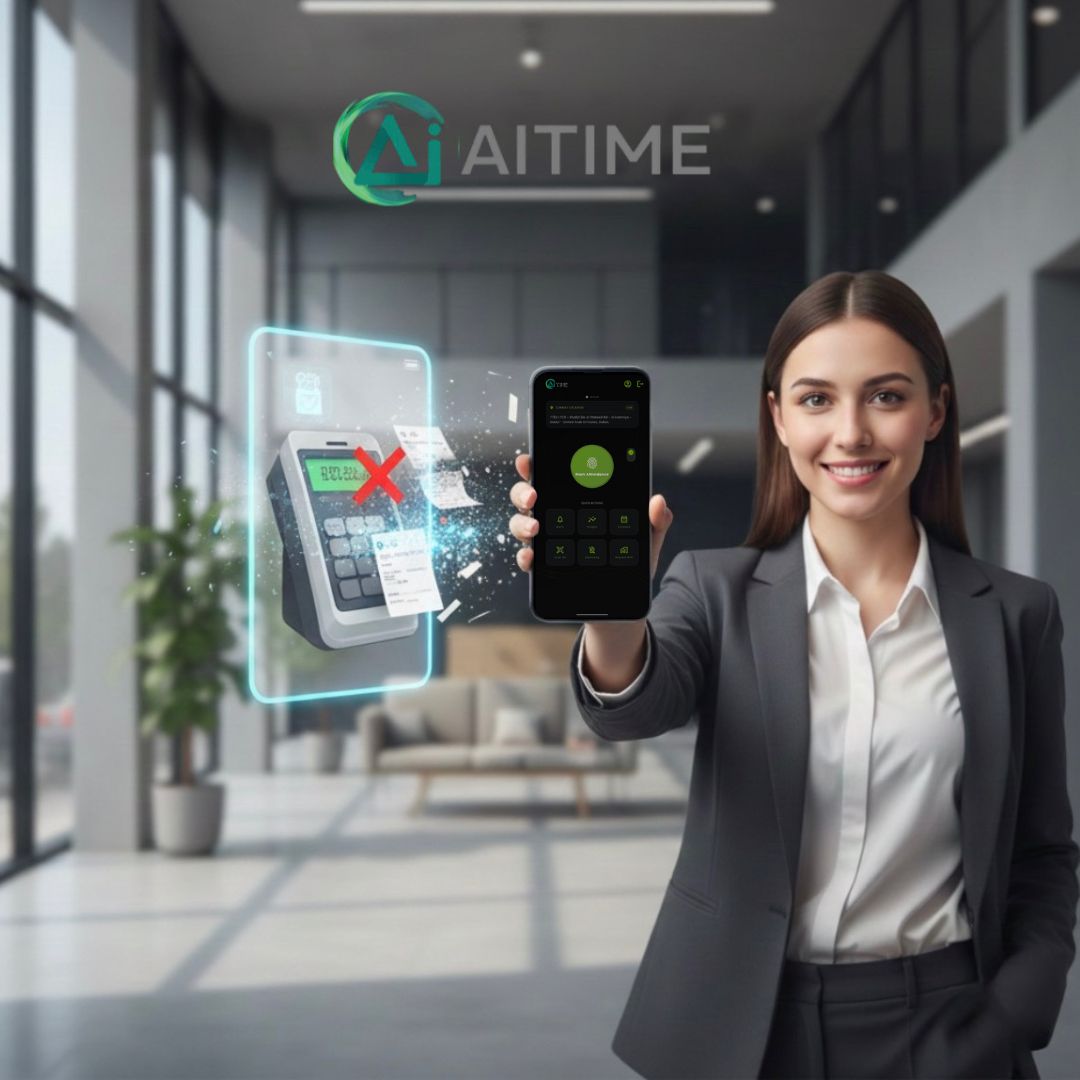
For many years, workplace attendance management was dominated by conventional biometric technologies, such as RFID cards, fingerprint scanners, and access control devices. However, the workforce of today has changed. Nowadays, workers operate from a variety of branches, distant locations, and field sites. As a result of this change, companies are realising that fixed hardware is unable to meet the demands of modern mobility and flexibility. Old biometric methods are being quickly replaced by smart mobile attendance applications as workplaces become more sophisticated. The growing use of technologies like a dependable face recognition attendance app, which expedites, secures, and facilitates attendance, is at the heart of this shift.
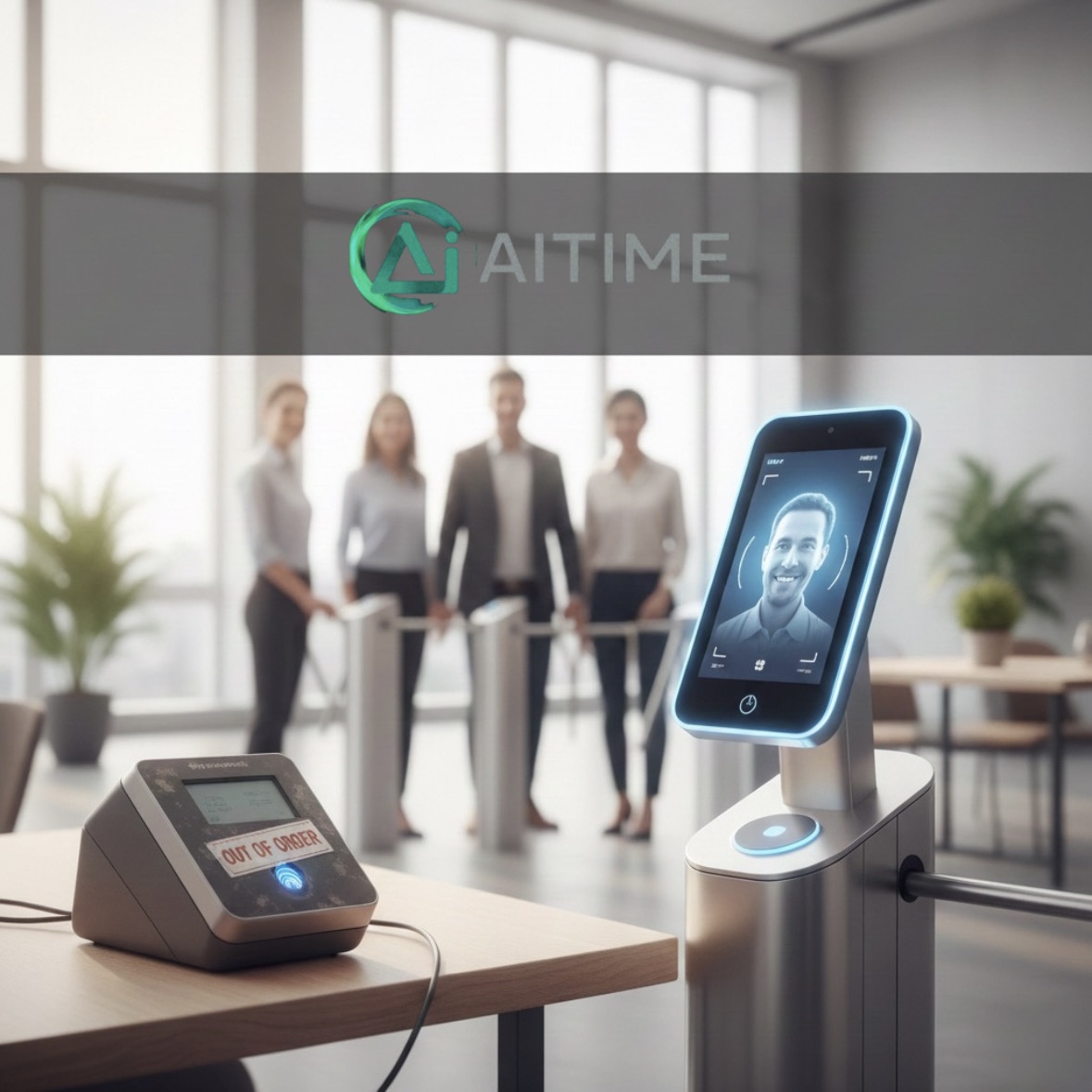
Conventional biometrics can create delays during busy hours, have expensive installation costs, and require maintenance. They lack contemporary features like location validation and smartphone accessibility, and they also raise hygienic issues. Mobile-based attendance is becoming more and more feasible, scalable, and economical as businesses embrace remote work and distributed teams. A dynamic workforce’s changing expectations are reflected in the transition, which goes beyond simple technology advancements.
Why Traditional Biometric Devices Fall Short in Modern Work Environments

Attendance is linked to a specific location by biometric hardware. Such systems are ineffective for big workplaces or multi-site businesses since employees have to physically reach the gadget to punch in or out. In sectors with field operations, where employees might never visit a central office, this restriction becomes even more apparent.
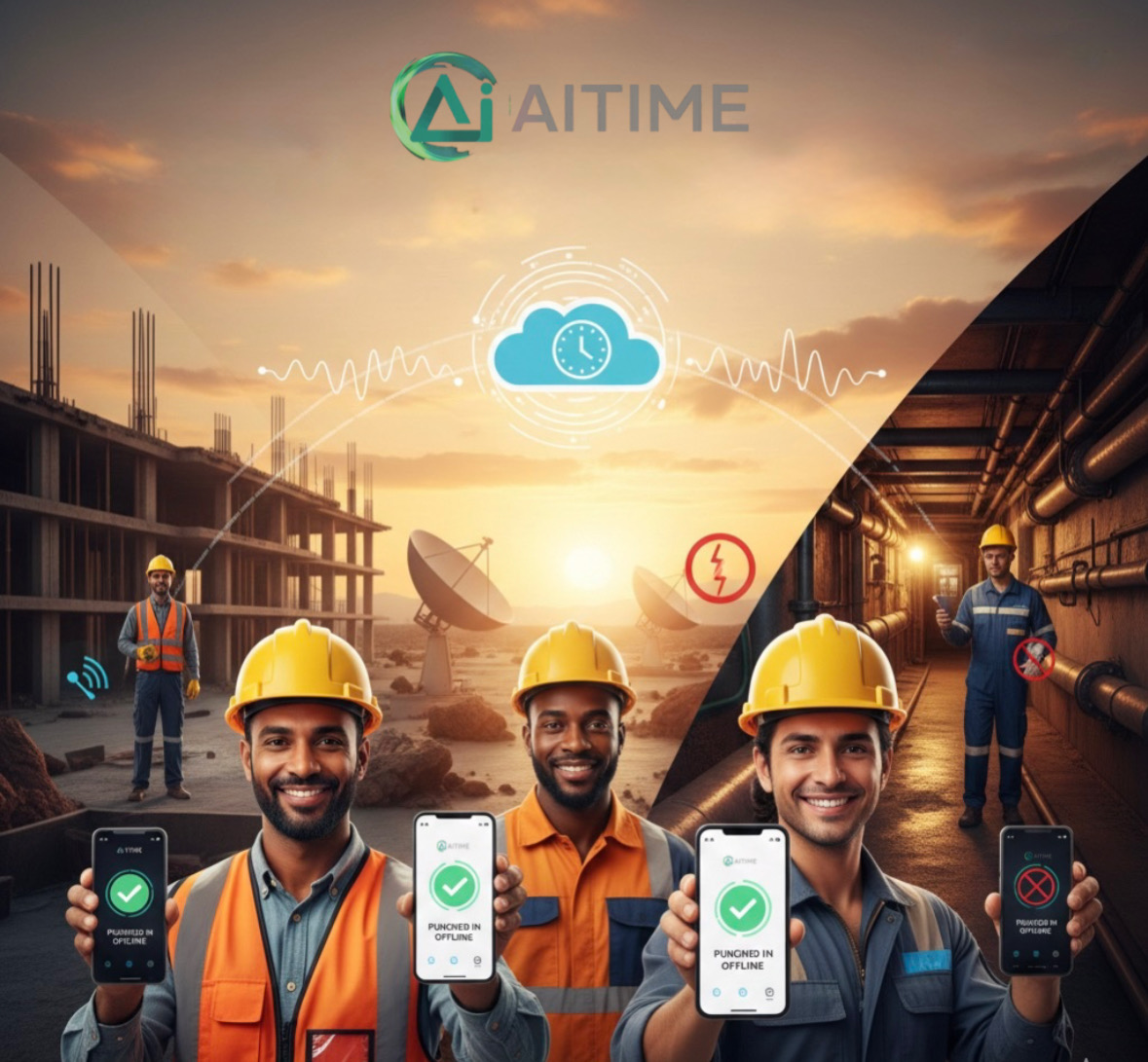
This problem is resolved by a face recognition attendance app that enables workers to securely scan their faces and record attendance straight from their cellphones. Queues are removed, touchpoints are decreased, and access is accelerated. Additionally, mobile-based systems guard against lost attendance in the case of network disruptions or device malfunctions. They provide unparalleled ease, particularly for remote teams.
Mobile apps may centrally store all data cloud based attendance software UAE,
when used in conjunction with a reliable enabling real-time reporting across locations and departments. Cloud-based solutions guarantee data availability, correctness, and synchronisation at all times, in contrast to conventional devices that rely on local hardware.
How Cloud and Mobile Technology Are Redefining Workforce Attendance

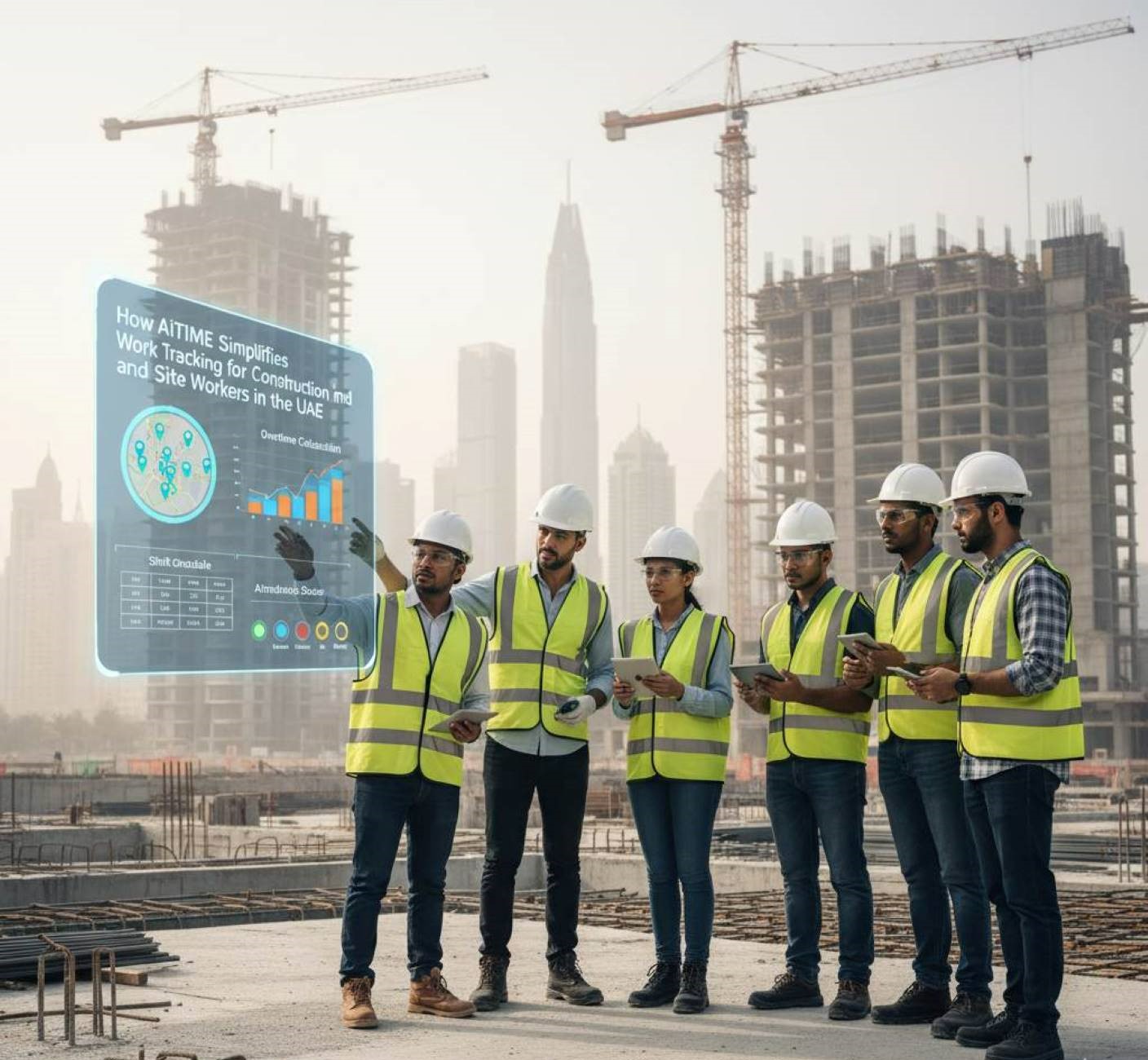
Mobile attendance applications transform workforce management by transferring control from static systems to dynamic, cloud-enabled platforms. Businesses may benefit from centralised dashboards, real-time analytics, automated synchronisation, and remote access by utilising cloud based attendance software UAE, expanding businesses that work across divisions, sectors, and project locations, these characteristics are crucial.
While removing proxy attendance, a mobile solution with facial recognition enhances security. Employees use AI-powered facial scans for authentication rather than a touch-sensitive sensor. This simultaneously improves user experience and verification accuracy.
Businesses that choose a contemporary solution may easily grow as they do. New personnel, locations, and departments may be accommodated by cloud-based systems without requiring hardware updates. When paired with the best employee attendance tracker UAE‘s features, companies may increase workforce visibility, decrease administrative workloads, and achieve high compliance.
The Smarter Alternative to Outdated Biometric Machines